
The best crawl space insulation for most BC homes is closed-cell spray foam on the foundation walls with the floor sealed underneath, not fiberglass batts shoved up into the floor joists. That one choice is the difference between a warm, dry, quiet house and a cold floor with a musty smell you can never quite place. Nobody wants to think about the crawl space. That is exactly why it gets to misbehave for years before anyone goes down to look.
Why your floors are cold and your house feels damp
Most crawl spaces in the BC Interior were built with vents in the foundation walls. The thinking was that a crawl space needs to breathe. It sounds reasonable right up until you do the math on an Okanagan summer.
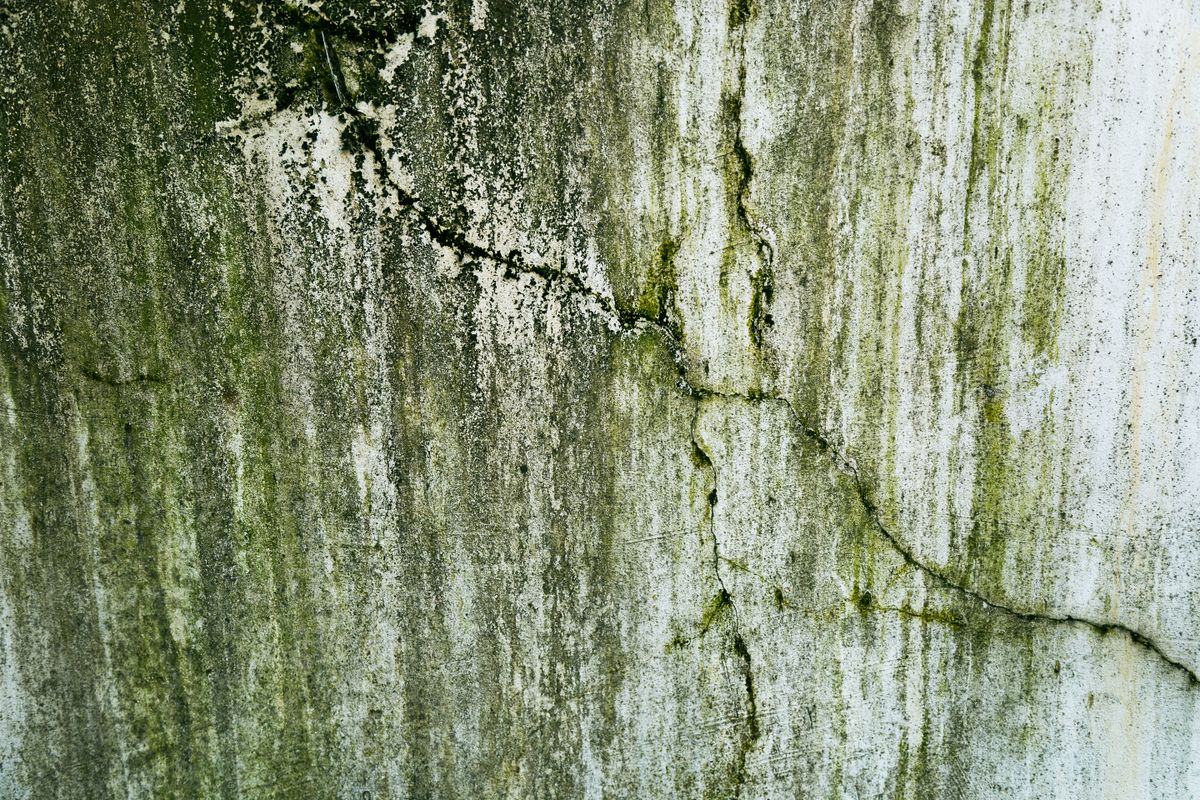
Warm air holds a lot of moisture. When that warm outside air pours through the vents and hits the cooler surfaces down in the crawl space, it cannot hold the water anymore. So the water comes out, on your joists, on the ground, on anything down there. That is condensation, and it is why a vented crawl space smells like a basement that lost a fight.
Then there is the floor over your head. If the only insulation is fiberglass batts pushed up between the joists, you are trying to keep the house warm with a layer that is sitting in damp, moving air. The heat leaks out the rim joists, the floor stays cold, and the furnace runs longer to make up for it. You feel it in your feet in February and you see it on the bill.
Vapour barrier, encapsulation, or spray foam: the real difference
People throw these three words around like they mean the same thing. They do not. Here is the plain version.
Vapour barrier
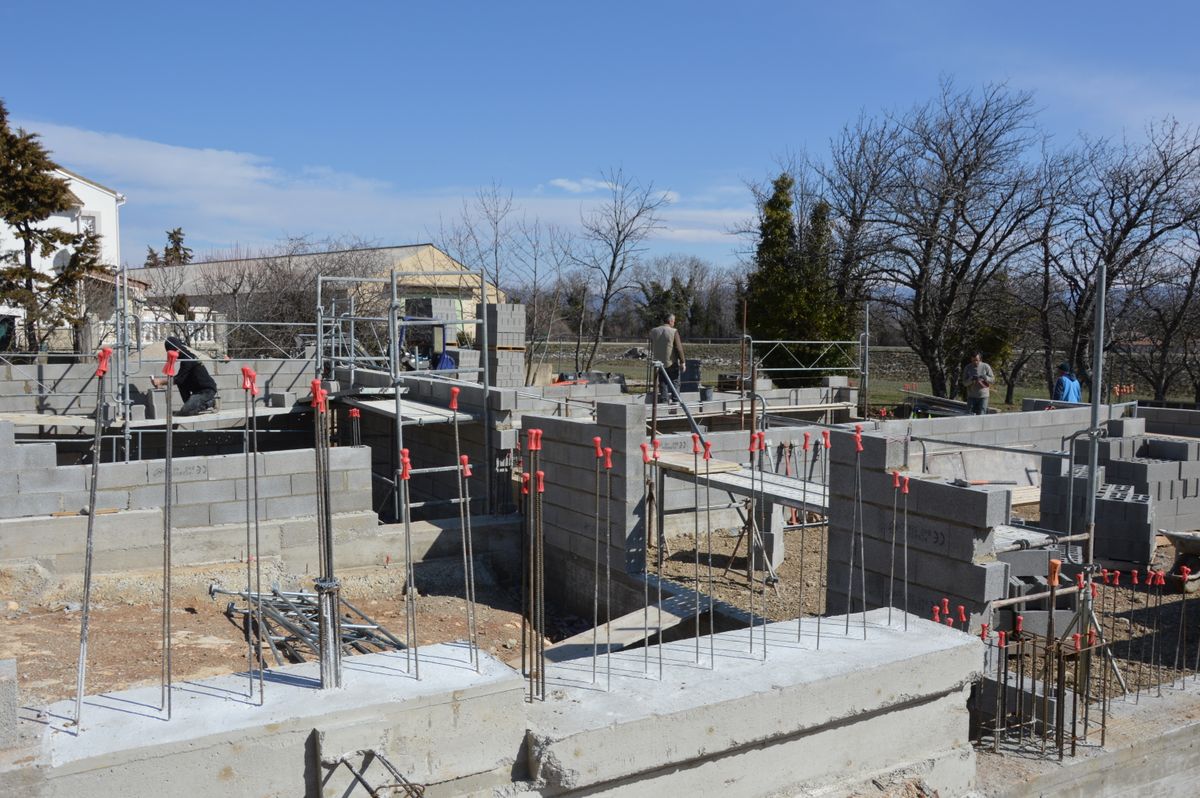
A vapour barrier is a sheet, usually poly, laid over the dirt floor to stop ground moisture from rising into the space. It is the cheapest move and it is better than nothing. On its own it does one job and one job only. It slows the water coming up from the ground. It does nothing for your cold floors and nothing for the heat leaving your house.
Encapsulation
Encapsulation is the upgrade. You seal the floor and run the liner up the walls, close off the vents, and turn the crawl space into a sealed, dry zone instead of an open one. Done right it stops the moisture problem cold. The catch is that encapsulation alone still does not insulate the walls, so it is usually paired with insulation, not used instead of it.
Closed-cell spray foam
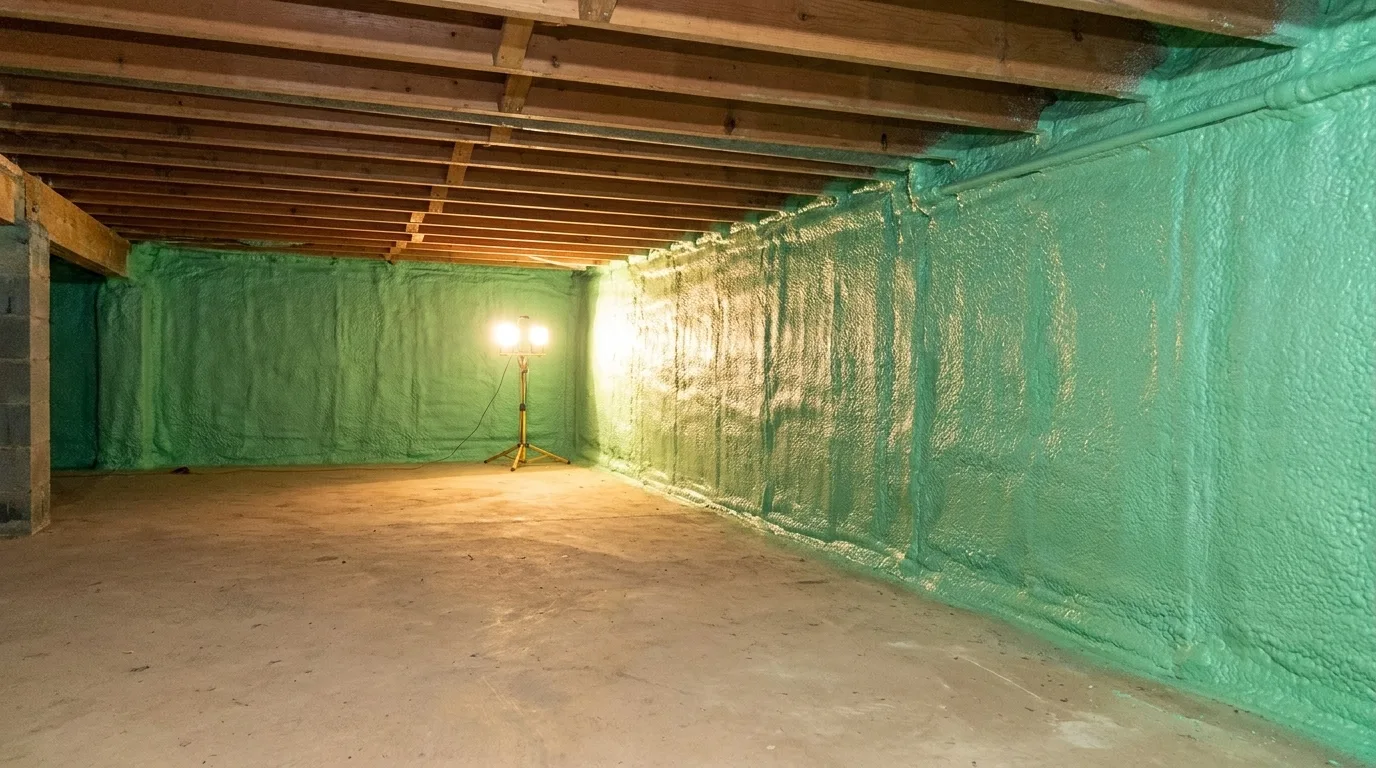
This is the one we put on most BC crawl spaces, and it is not because we sell foam. It is because foam does three jobs in one pass. It seals the air, it stops the vapour, and it insulates the walls. You spray the foundation walls and the rim joists, seal the floor, and the whole space joins the warm, dry side of the house. One product, one trip, and the crawl space stops being a problem.
Why fiberglass in a crawl space is a slow leak
I am going to be blunt about fiberglass down here, because it is the most common thing we rip out.
Fiberglass works by trapping still, dry air. A crawl space gives it neither of those things. The air moves, and the air is damp. Wet fiberglass has about the R-value of a soggy sweater, and once it has soaked up moisture it does not dry out down there. It sags, it falls out of the joists, and the spots it leaves behind are cold spots you will never see from the hatch.
Then it gets worse. Damp fiberglass is a mouse hotel. Warm, soft, hidden, and right next to your floor. Mice treat a vented crawl space like a heated suite with no front desk. Closed-cell foam takes all of that away. There is no soft batt to nest in, no gap to crawl through, and no moisture to feed mould. The numbers back it up. Our foam absorbs only 1.6 percent water by volume and shows no fungus growth in testing. It does not sag, it does not feed anything, and it does not need replacing in five years.
What closed-cell spray foam actually does down there
The foam we use is Genyk Boreal Nature Elite. It is Canadian made and it is the best foam on the market, and the numbers are the reason we picked it.
It is an air barrier with an air permeance of 0.001 litres per second per square metre. In plain terms, air does not get through it. It hits R-30.7 at five inches, so a few inches on the walls of a crawl space does real work. It carries a radon barrier certification, which matters more than people think in parts of the Interior where radon shows up in the soil. And because it seals the rim joists at the same time, it closes the single biggest air leak in the whole house. Our rim joist insulation guide goes deeper on that spot if you want it.
Here is the honest part. Spray foam is expensive, and we do not pretend otherwise. But every dollar of that price is doing something. Better foam, trained operators, certified equipment, density checks, two inch passes, no shortcuts. You cannot see behind your crawl space walls after the job is done. You will not know if you got three inches instead of four until your heating bill tells you something is off. The cheap guy costs more in the end, every time, because foam done wrong has to be torn out and done again.
Can I just do it myself?
Some of it, sure. If the space is dry and you do not mind army-crawling through it, laying a floor vapour barrier is fair weekend work.
The foam is where DIY goes to die. The cans and froth packs at the store are a lower-grade plastic made for small gaps. Spray them across a whole crawl space wall and they almost always revert to liquid, which is exactly as fun to clean up as it sounds. We have been called in to scrape exactly that off more than one wall. Professional closed-cell foam is a different product entirely, sprayed at 800 psi by someone who knows what that is supposed to feel like. That is a crew, not a kit.
What it costs and the rebates most people miss
Foam costs more up front than batt and poly. At market pricing it runs around $1.80 per board foot, while batt and poly comes in near $1.71 per square foot installed. On paper the cheap option wins. In your house, over ten years, it does not, because you pay for the cheap one again and again.
The number most people miss is the rebate. Insulation rebates in BC pay out when a registered contractor does the work and files the paperwork, and DIY work usually does not qualify. The per-service rebate sits around $1,200. Pair your crawl space with another area like the attic in the same visit and you can trigger a bonus on top, with the stacked average landing near $5,500 across all the eligible work. Across our residential jobs, heating and cooling costs typically drop 25 to 40 percent month to month after spray foam, and the payback on a typical install lands in the 2 to 4 year range. The full list of what stacks lives on our BC insulation rebates page, and if you want the foam numbers in detail the spray foam insulation cost guide for BC lays it out.
The calls that stick with us come years later, not the week after the job. Heating bills noticeably lower. The house quieter than it used to be. No moisture, no callbacks, nothing to fix. You pay for the crawl space once and you feel the difference for the life of the house. For what the work looks like in a Kelowna home, our spray foam insulation in Kelowna page walks through it, and Natural Resources Canada has a solid plain-language guide to basement and crawl space insulation if you want to read up first.
Get a real number before you crawl back out
Before you buy a roll of poly or a kit of foam, get a measured plan. The free building assessment gets you a written inspection of the crawl space, a rebate report showing exactly what your project qualifies for, and a firm price where the number we give you on site is the number on the invoice. It costs you nothing, and you keep the report no matter who does the work.
Book a Free Building Assessment or call Jacob directly at 250-900-6613. Tell us what your floors feel like in February. We will tell you straight what is going on under them.