
The best basement insulation for most BC homes is closed-cell spray foam applied straight onto the concrete walls. Not batts stuffed into a stud wall against bare concrete, and not foam board glued on and hoped about. Concrete is cold, basements hold moisture, and foam is the one product that handles both at once. That is the short answer. The rest of this post is the honest version, including the cases where foam is not the right call and what each option actually costs.
Why BC basements are cold and damp
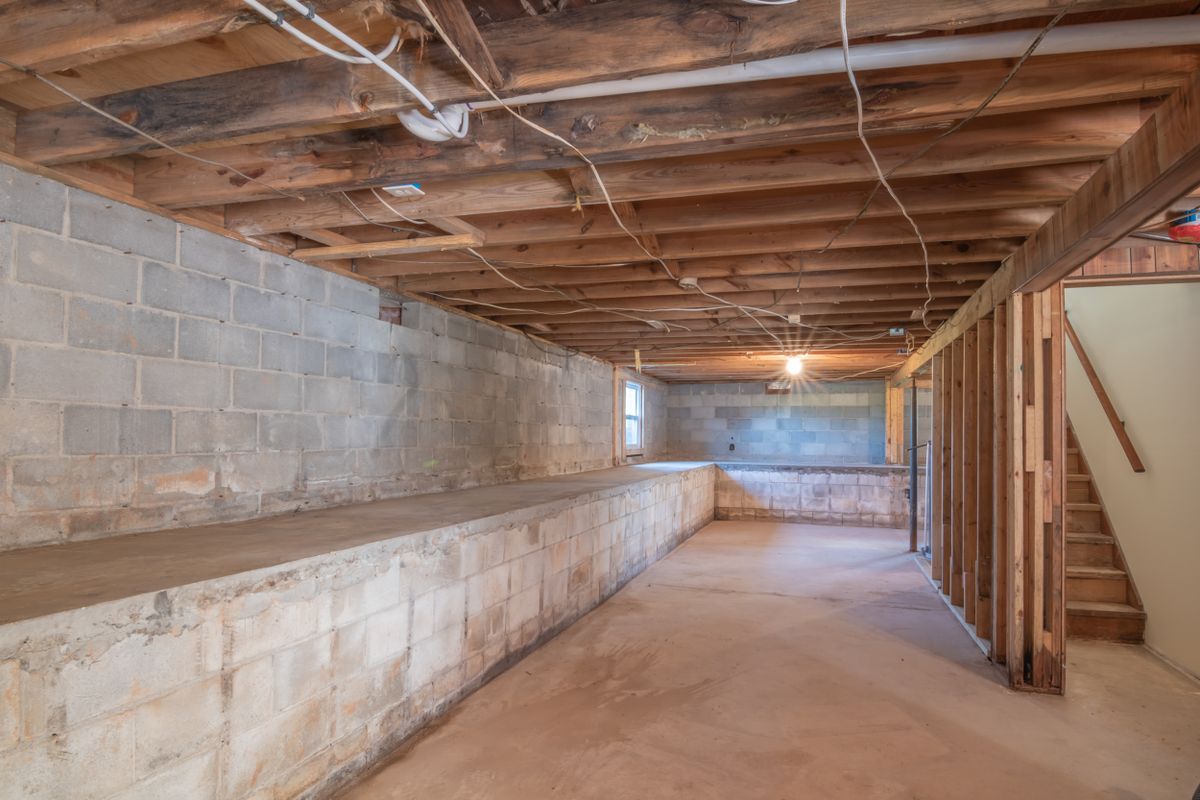
A basement wall is a concrete slab standing in the ground. The ground in the Interior sits cold most of the year, so the wall stays cold too. Any warm air from your house that touches that wall cools down fast, and cool air cannot hold its moisture. It lets go of it right there on the concrete, behind whatever you built in front of it.
That is the whole story of almost every musty basement in the province. It is not a leak. It is not a flood. It is warm air quietly meeting a cold wall every day for years. Natural Resources Canada's basement insulation guide says the same thing in more words: moisture control comes first, and the insulation has to be part of that plan.
Cold concrete also explains the bills. An uninsulated basement bleeds heat into the ground all winter. Your furnace pays for that. The basement never sent you an invoice for it, but the gas company did.
Your three options, honestly compared
Batt and poly
The old standard. Frame a stud wall, fill it with fiberglass batts, staple poly over the front, drywall. It is the cheapest route at about $1.71 per square foot installed, and every framer in BC knows how to do it.
The problem is physics. Fiberglass lets air pass through it. Warm room air drifts through the batt, hits the cold concrete, and condenses. Now there is water inside your wall, sitting against wood framing, sealed in by the poly you installed to keep moisture out. In a bone-dry basement with perfect grading and no history of damp, batt and poly can be fine. We just do not meet many of those.
Rigid foam board
Better. Foam board against the concrete blocks the warm air from reaching the cold surface, which is the actual job. The catch is the seams. Every joint, every cut around a pipe, every gap at the rim joist has to be sealed or the air finds its way behind the board and you are back to condensation, just in fewer places. Done carefully, board works. It is a lot of taping to get right, and nobody sees the spots that got missed until years later.
While you are up at the top of that wall, the rim joist is the leakiest part of the whole basement. Whatever you choose for the walls, that band of wood at the top deserves foam.
Closed-cell spray foam
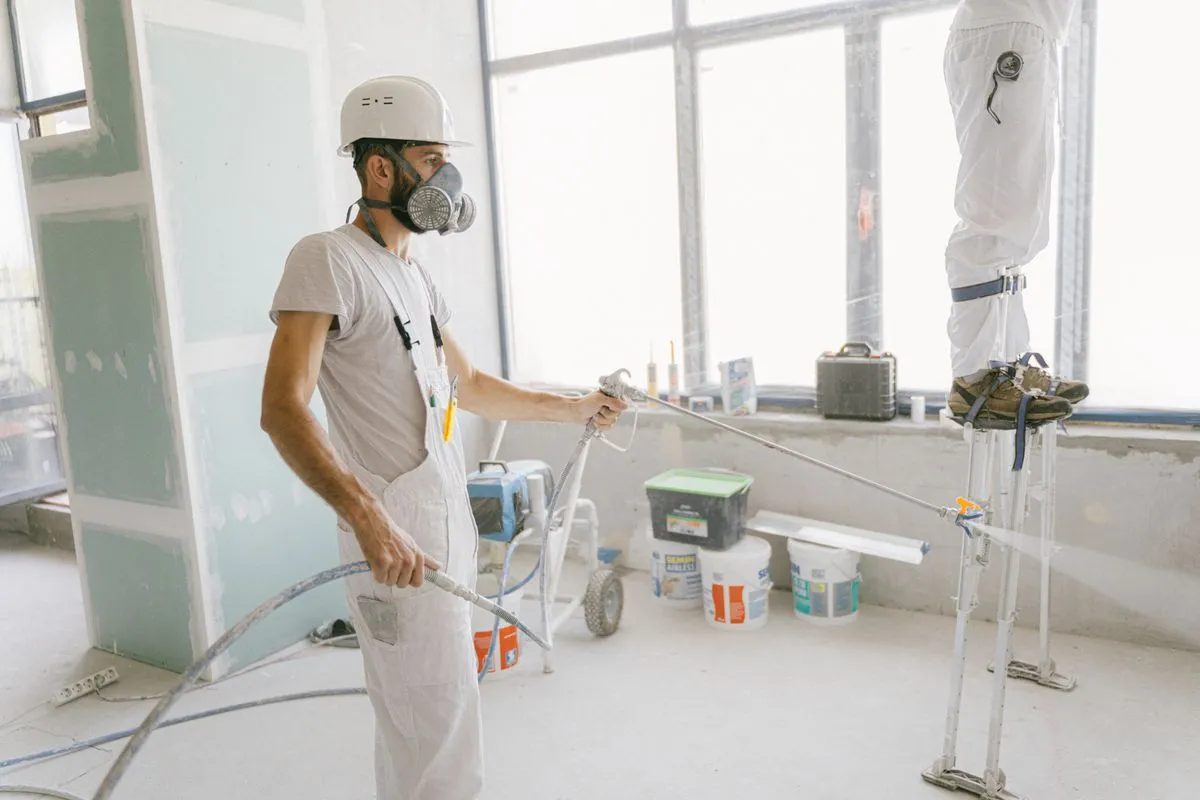
Foam sprays on as a liquid and bonds to the concrete. No seams. No gaps. No air path to the cold surface. At 2 inches and up it is its own vapour barrier, so there is no poly and nothing to tape. It does not soak up water and it does not feed mould. It is also certified as a radon barrier, which is a real consideration in the Interior.
Here is the opinion we will stand behind: spray foam is the most underrated product in residential construction. People get stuck on the price tag and never run the ten year math. One pass handles insulation, air sealing, moisture, and radon. Our customers typically see heating and cooling costs drop 25 to 40 percent month over month after spray foam, depending on what was there before and how much of the house we did. Nothing else on this list touches every one of those problems at once.
A word on the DIY kits, because someone always asks. The froth packs at the hardware store are a lower-grade product made for sealing gaps the size of your thumb. Sprayed across a basement wall, applied even slightly wrong, that foam reverts to liquid. We have seen the results. Consumer foam is for patches. Walls need the real equipment and a trained operator, which is a crew you hire, not a box you buy. If you live near Kelowna, you can see how we do spray foam in Kelowna before you call anyone.
What it costs
Spray foam at market pricing runs about $1.80 per board foot, and most quotes in BC land between $1.60 and $2.00. Batt and poly installed comes in near $1.71 per square foot. Foam costs more. It is also the last time you touch that wall.
One caution from inside the trade. A quote given from a driveway, or over the phone, is not a commitment. Free quote contractors commonly hand over an invoice 20 to 40 percent higher than the number that won them the job, and there is nothing in writing to stop it. Whoever you hire, for whatever product, get the price in writing before anyone unloads a hose. Our version of that is the free building assessment. We measure every space, write the price down, and the number we give on site is the number on the invoice.
The rebates are real money
Basement insulation is one of the services that qualifies for insulation rebates in BC. The typical rebate is about $1,200 per service, and pairing the basement with another area in the same project, like the attic or the rim joists, triggers a bonus rebate on top. The program pays up to $5,500 as the scope grows. FortisBC and Better Homes BC publish the program details.
The fine print that matters: a registered contractor has to do the work and file the paperwork. We are registered, we file it, and on a typical install the payback lands in 2 to 4 years.
When not to insulate your basement yet
We turn down basement work more often than you would think, and it is usually for one of these reasons.
Water comes in when it rains. Insulation does not fix a drainage problem. It hides one. Fix the grading, the gutters, or the crack first, then insulate.
The basement is already finished and dry. If your walls went in years ago and there is no smell, no damp, and no cold complaints, ripping out good drywall to upgrade insulation rarely pays. Spend the money on the attic instead.
You heat the space with the door closed twice a year. A storage basement you never occupy still benefits from wall insulation, but it drops down the priority list behind the parts of the house you live in.
If one of those is you, we will say so at the assessment and point you at the better project. It costs us a job and it is still the right answer.
Basement insulation across the BC Interior
Cold concrete does not care which city it is standing in. We insulate basements through the whole region, from Kamloops, where the clay soil holds water against foundations half the year, to Penticton, where the older housing stock means a lot of basements were finished decades before anyone thought hard about moisture. Same physics, same fix.
The next step
If your basement is cold, damp, or about to be finished, book a free building assessment. We show up, measure every space, check the moisture story, and hand you a written report with a firm price. The number we give on site is the number on the invoice. You also get a rebate report and a contractor comparison checklist that protects you no matter who you hire.
Or call (250) 900-6613 and talk to the crew that will actually be in your basement.